All

PHA Bioplastics VS Polypropylene: A Comparative Study 1 - Clave Web

PHA Bioplastics VS Polypropylene: A Comparative Study

Production of PHA and PP PHA is primarily bio-based. Even better it can be produced from organic waste and implemented within waste management and water treatment systems.  PHA is based on the application of biotechnology in optimizing natural processes that occur in microorganisms. They can be produced with zero to minimal disturbances to the natural […]

PHA Bioplastics VS Polypropylene: A Comparative Study Leer más »
Biodegradation of PHA, PLA and Starch-based Bioplastics Varies with Formulation 5 - Clave Web

Biodegradation of PHA, PLA and Starch-based Bioplastics Varies with Formulation

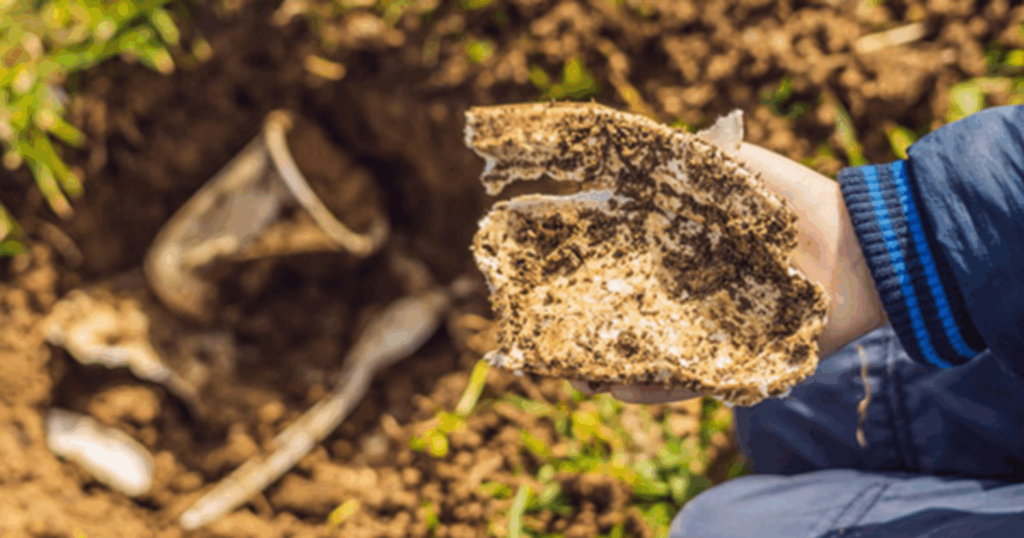
Comparing Biodegradability: PHA, PLA, and Starch-based Bioplastics Biodegradation, a Natural Process Essential to Life Biodegradable plastics allow the integration of plastics into the natural cycle of life. Many processes in nature require biodegradation to occur. For example, plants require microorganisms in the soil to break down organic biomass such as fallen leaves and dead animal

Biodegradation of PHA, PLA and Starch-based Bioplastics Varies with Formulation Leer más »

Innovations in Bioplastic Applications: Beyond Packaging 7 - Clave Web

Innovations in Bioplastic Applications: Beyond Packaging

Packaging has been the main application of many bioplastics so far. Indeed around 1% of plastics that are produced get used in packaging. Currently, polyethylene and polypropylene dominate the packaging market. This is due to the fact that they are cheap and currently have superior performance in this application.  Bioplastics might compete better in other

Innovations in Bioplastic Applications: Beyond Packaging Leer más »

Bioplastics Expected to see Wider Applications in 3D printing in the Future 11 - Clave Web

Bioplastics Expected to see Wider Applications in 3D printing in the Future

The Benefits of 3D Printing   3D printing or additive manufacturing is receiving growing interest due to factors such as the design flexibility it allows, fast prototyping, and the potential for broader application of bioplastics. 3D printing generally refers to a class of manufacturing techniques whereby an object is produced by printing materials in layers

Bioplastics Expected to see Wider Applications in 3D printing in the Future Leer más »

PHA Production by Bacteria 12 - Clave Web

PHA Production by Bacteria

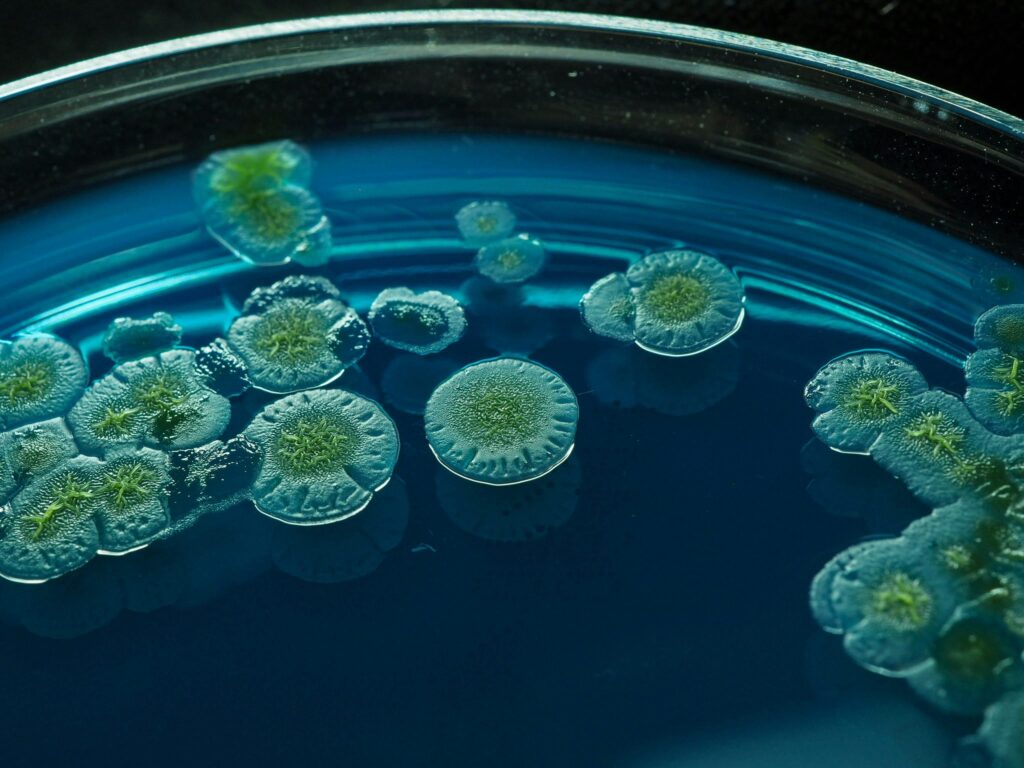
PHA Production by Bacteria   PHA-producing bacteria accumulate PHA within their cell. For these bacteria, PHA serves as carbon and energy reserves. In a similar way, humans store glycogen and fat. However, these bacteria only produce PHA when it is required for them to do so. Therefore, the biotechnology of PHA production lies in the

PHA Production by Bacteria Leer más »

The Future of Bioplastics as a Sustainable Alternative to Reduce Plastic Pollution 14 - Clave Web

The Future of Bioplastics as a Sustainable Alternative to Reduce Plastic Pollution

The Plastic Pollution Problem   Between 1950 and 2017 an estimated 9.2 billion tonnes of plastic has been produced in the world. Approximately 7 billion tonnes of these plastics have become plastic waste still remaining in landfills or discarded elsewhere in the aquatic environment or land.  The plastics used today are predominantly nonbiodegradable plastics that

The Future of Bioplastics as a Sustainable Alternative to Reduce Plastic Pollution Leer más »

Collaboration Projects 15 - Clave Web

Collaboration Projects

MAGAYA AEI 2022 Project   The objective of the project is the revalorization of magaya, a residue derived from the production of natural cider, by transforming it into a biopolymer that can be used in a new Additive Manufacturing process. In this way, the aim is to obtain a biodegradable material that can be used

Collaboration Projects Leer más »

Biotechnology to Achieve Sustainably Produced Bioplastics With Competitive Yield and Performance 18 - Clave Web

Biotechnology to Achieve Sustainably Produced Bioplastics With Competitive Yield and Performance

The American Society for Testing and Materials (ASTM) defines bioplastics as “degradable plastics in which the degradation results from the action of naturally occurring microorganisms such as bacteria, fungi, and algae”. Examples are polylactic acid (PLA), polycaprolactone (PCL and polyhydroxyalkanoate (PHA).  Bio-based, biodegradable plastics have to compete with the highly efficient, controlled large-scale production of

Biotechnology to Achieve Sustainably Produced Bioplastics With Competitive Yield and Performance Leer más »

Información de contacto

Nombre(Obligatorio)

Detalles del proyecto